
Designing for recommendations at scale
Evolving cross-sell from a revenue tool into a recommendation system users actually valued — across 20+ markets, 3 brands, and cultures.

Impact
+26%
Order Share
Number of items added to cart through cross-selling
0.9→1.66€
Avg item value
Avg value of items that were added via cross-sell
+24%
GMV
Total GMV of cross-selled item across markets

My role
I joined in September 2019 and established the cross-selling product design strategy, UI, prototyping, and interaction design. I created the research brief, helped as a note-taker, and was involved in debriefings, observations, and synthesis. I ran a brainstorming session with my cross-functional team to derive insights, set goals, and solution directions.
The team had launched cross-selling for Foodpanda in June 2019 with a simple algorithm. As we grew into a global service, challenges with different market needs and the need to stay relevant with recommendations became more evident.
Problem
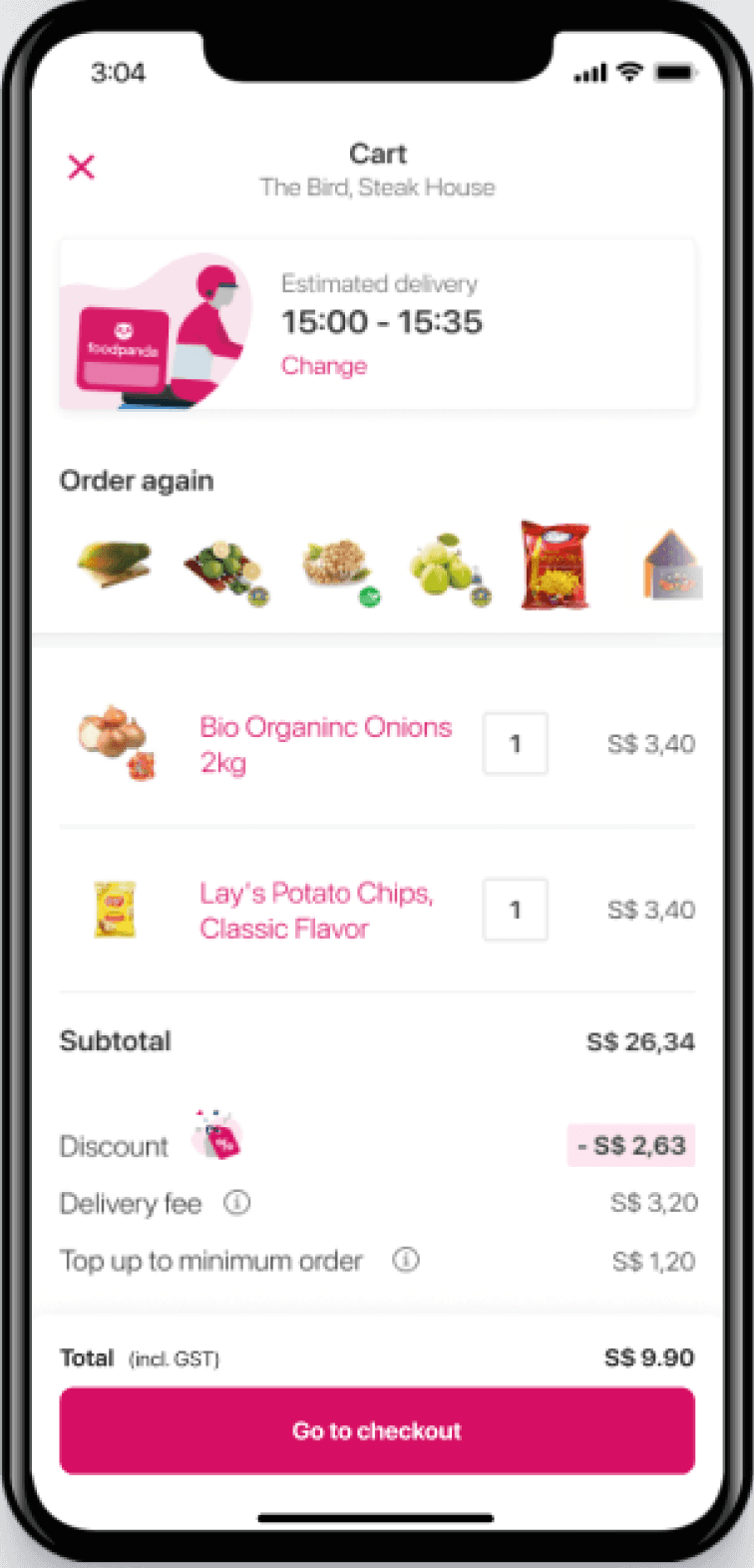
Cross-sell interaction was only 8% with a conversion rate of 2.8%
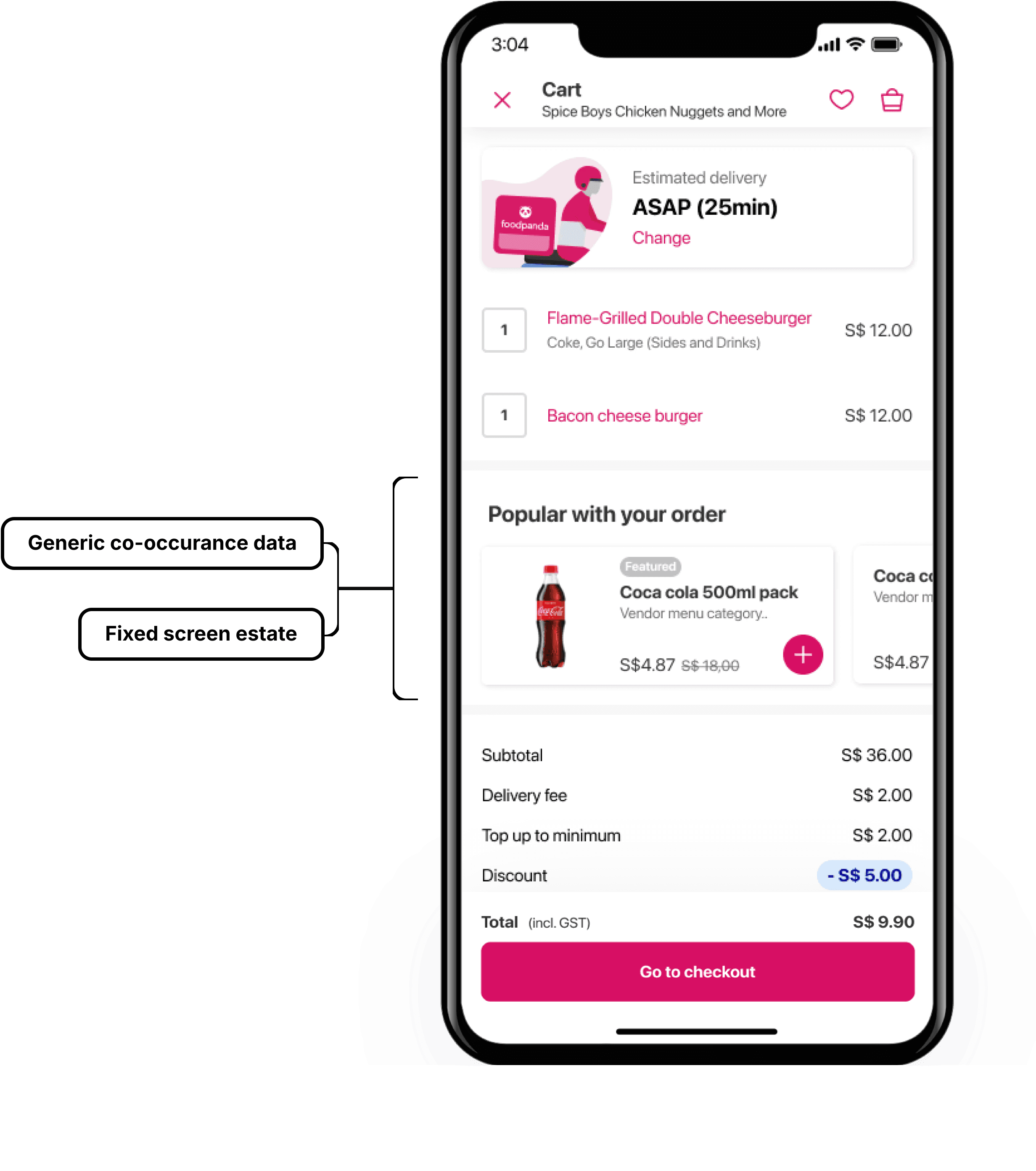
Before I joined the team, the team had launched the MVP on checkout, the easiest implementation considering that cross-sell recommendation is always tied to the items in the cart where the intention of buying is the strongest.
Over 90% of users overlooked it. Average basket value increased by just 1% in the quarter. Usability research uncovered problems the data did not tell us — attention to price, items, and details on the cart.
Insight
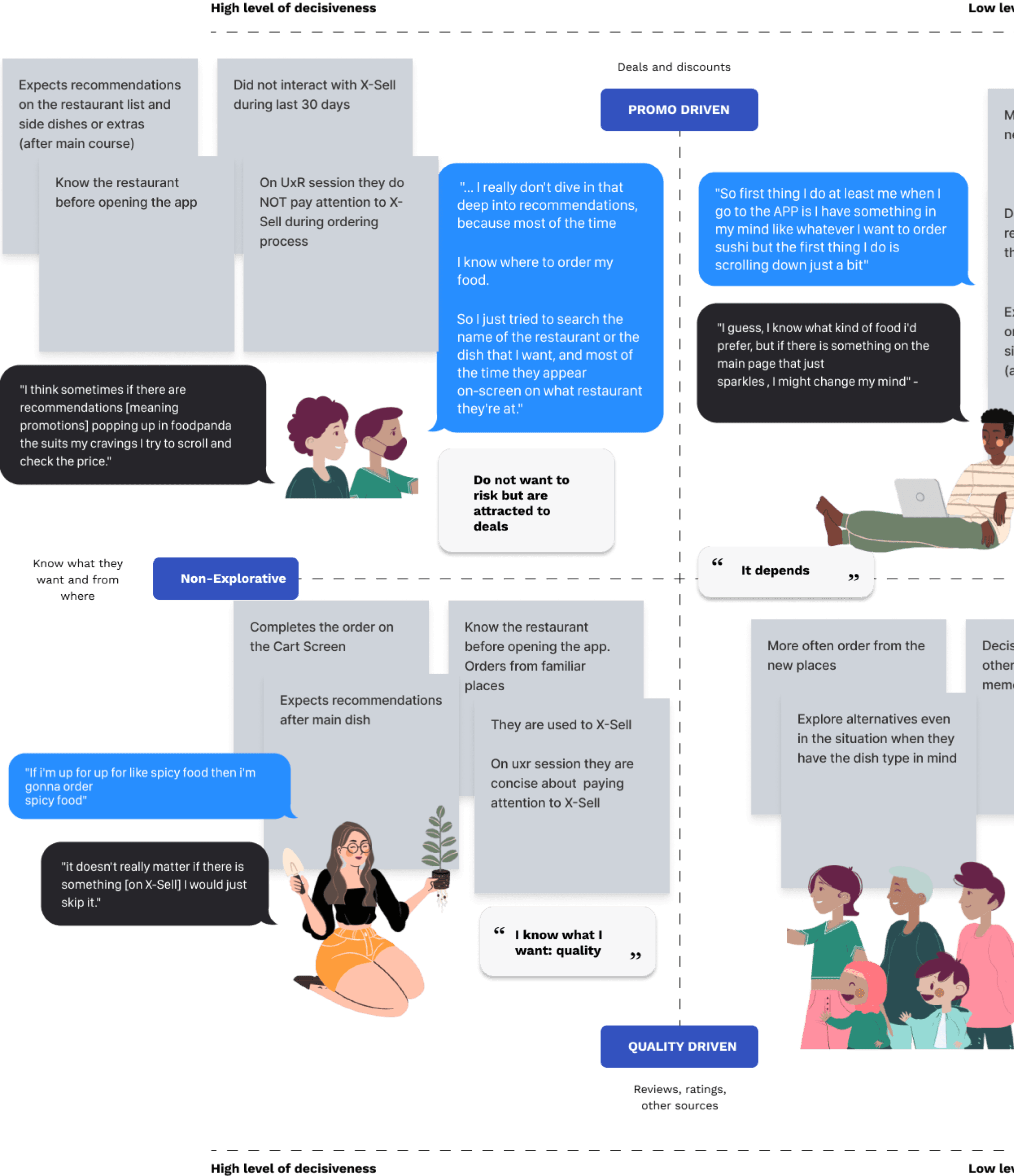
Cross-selling was too late in the funnel. Users had already made up their decision by going through the menu extensively, back and forth.
Logic and contents: If the first two items were irrelevant in the swimlane, users did not scroll further.
Nordics had the thought process that discounted/cheaper restaurants had lesser quality; Asians are more pro-deals and discounts. One strategy across all countries was treating users the same — despite clear cultural differences in decision-making.
Recommending dishes at the right journey in the right moment with the right product

We used the same strategy across all countries, but data showed different behaviours: TW users added 30% drinks, 24% big mains, 22% small mains; Hungary added 45% main dishes.
Only 10% of users swipe past the first cross-sell item. Research confirmed that if the first item isn't relevant, users don't explore further. Most countries add from a wide variety of categories.
Serving 20+ countries with different cultures, different buying behaviours, and languages, "how might we make cross-sell relevant to each behaviour?"
Our success metrics were aligned with our company OKR i.e increase order share and conversion rate with a higher basket value from cross-selling recommendations
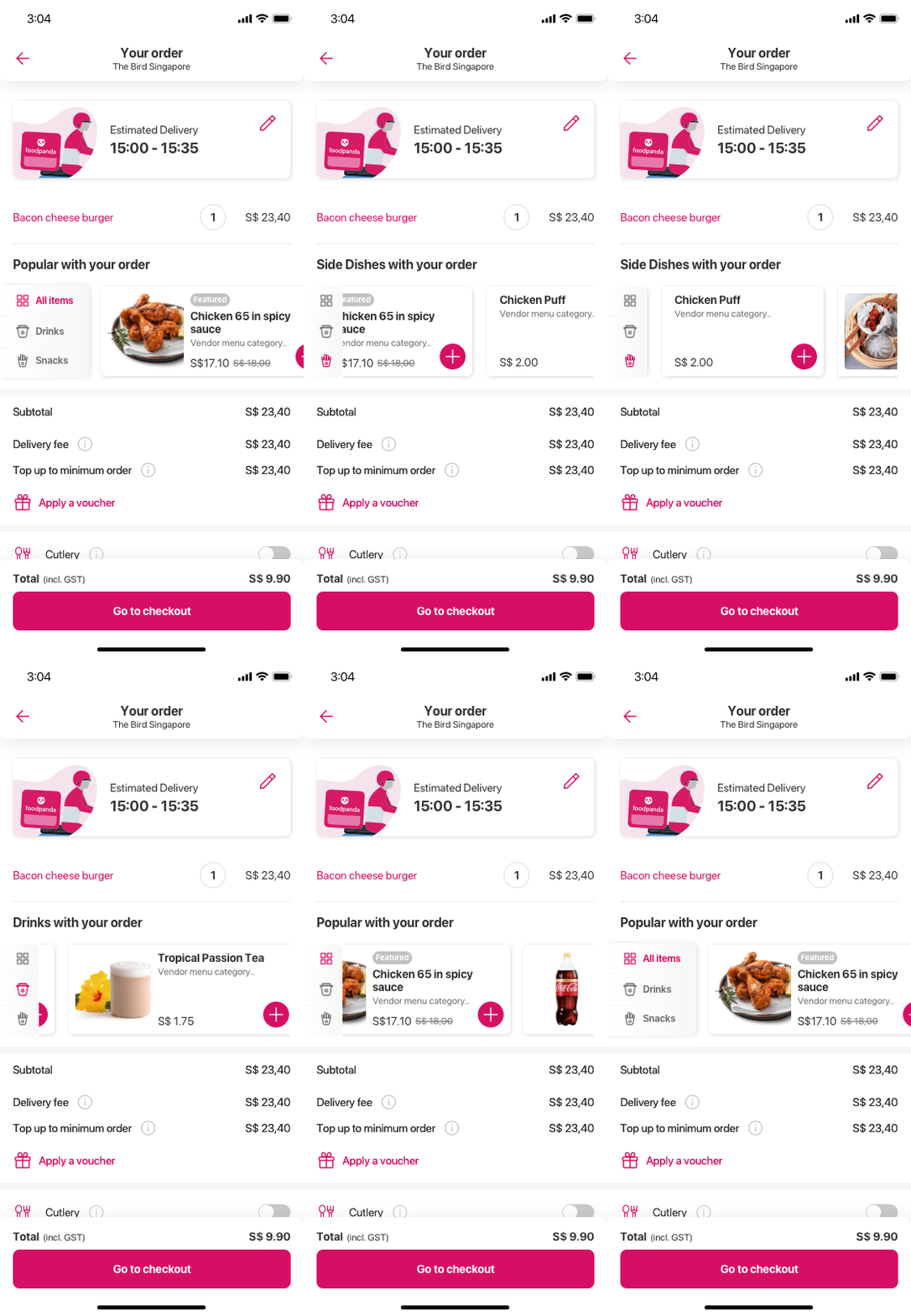
Quick filters:
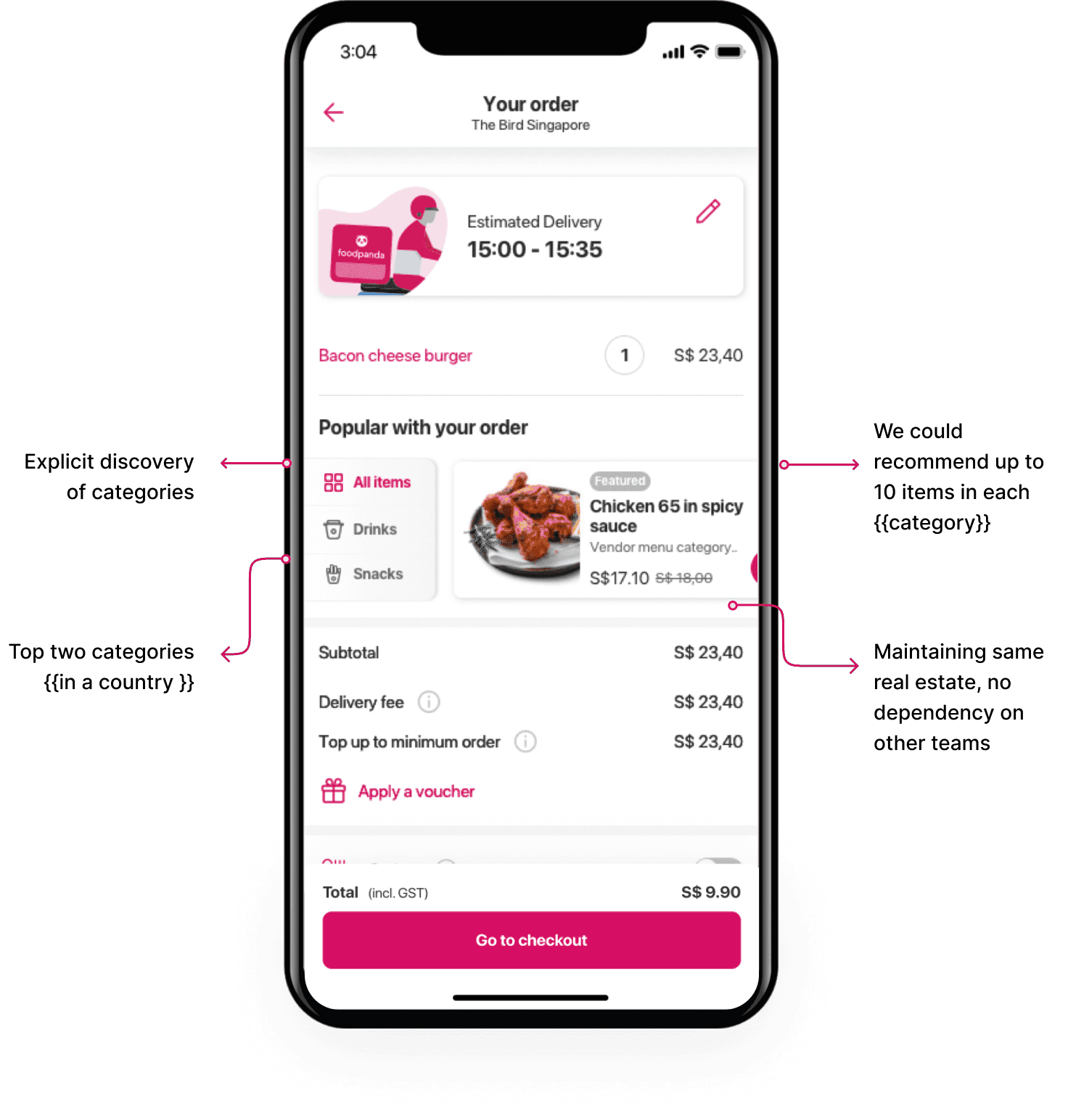
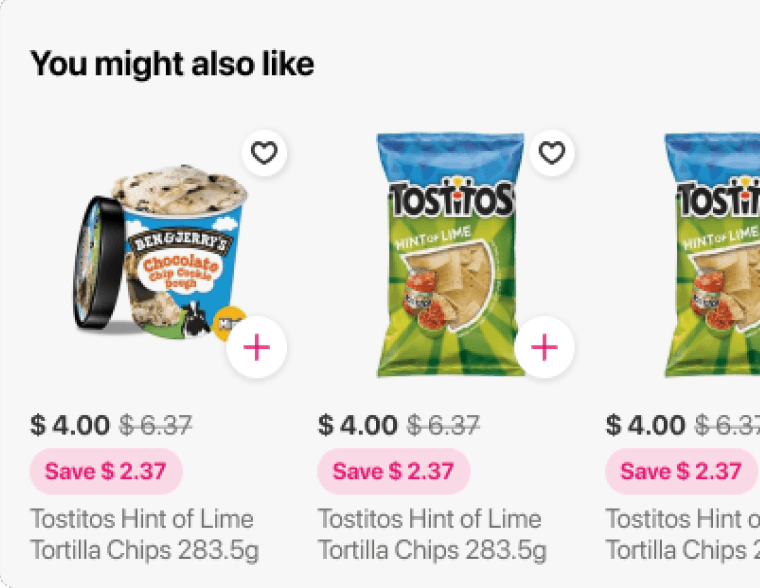
Filters allow users to choose items from the top two categories that are most relevant for the country. Providing filters in the cross-sell swimlane would help users with more choice from the desired category helping them to complete a meal in the cart rather than having to go back to the menu.



On average, a user takes 6 minutes at our Menu. Within these 6 minutes, they add the first item in 4 minutes. In the other 2 minutes, our hypothesis was that the user spends browsing, giving cross-selling the opportunity to recommend more products.
Solution 1
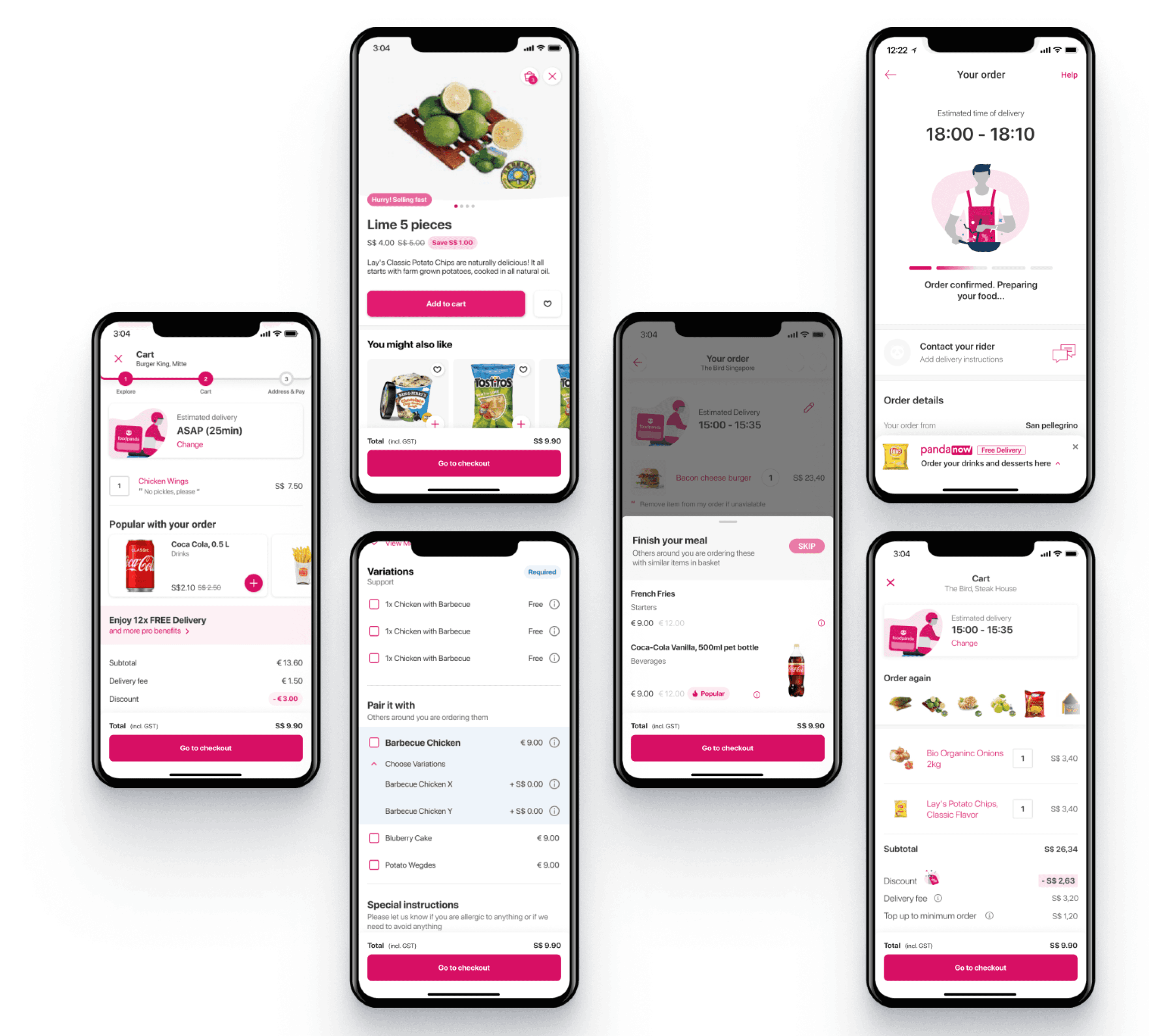
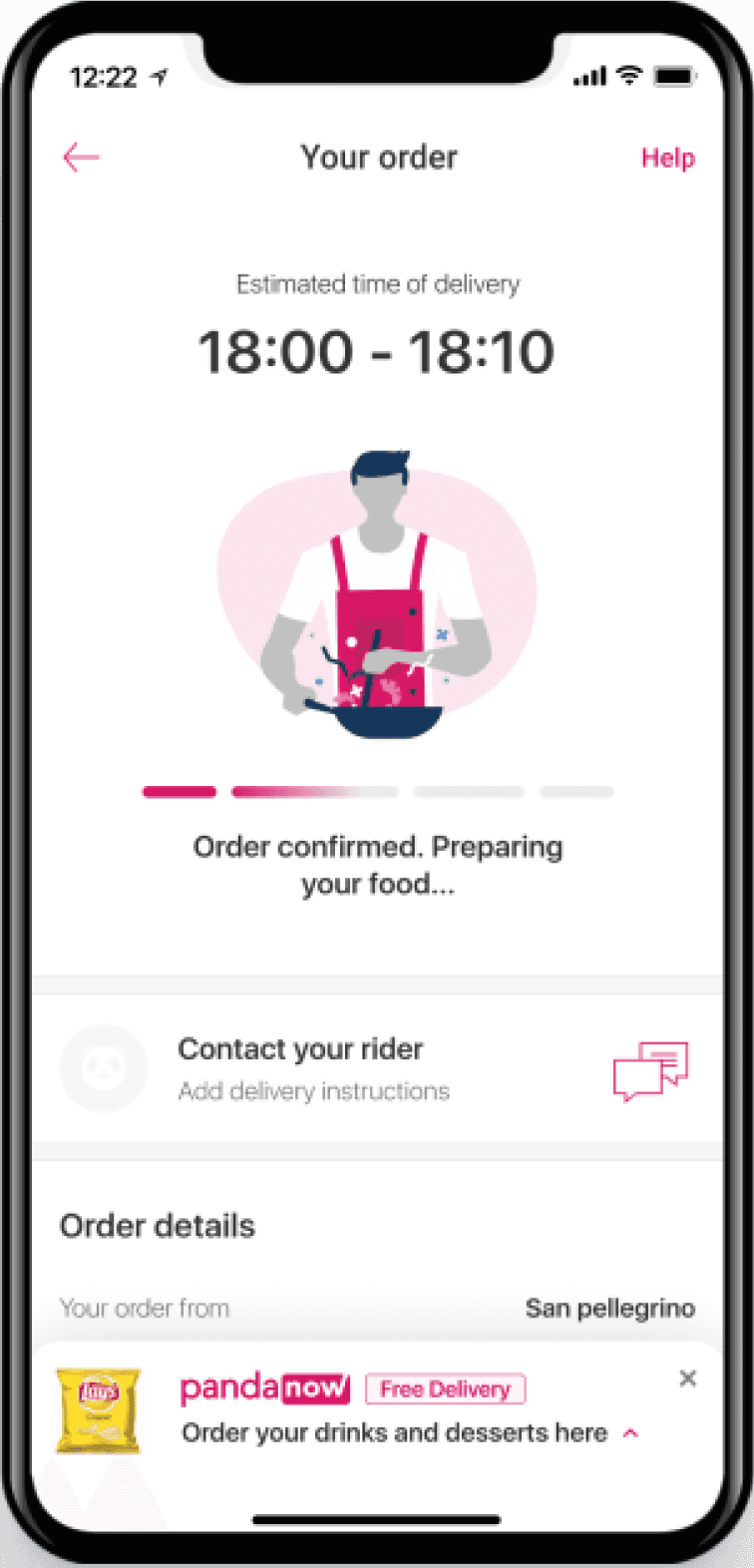
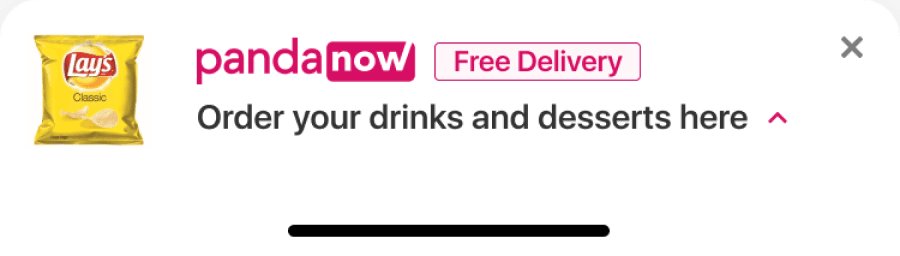
While on the menu on average, 30% of Foodpanda session users interact with at least one item modifier. The buying intent of our users is strong as they choose multiple toppings and in the mental model of choice reduction. We introduce cross-sell to leverage these two behaviors of choosing and choice reduction by making it possible to select Drinks, dessert ( the browsing time for categories are extra 2 min out of six) in one user flow.


Solution 2
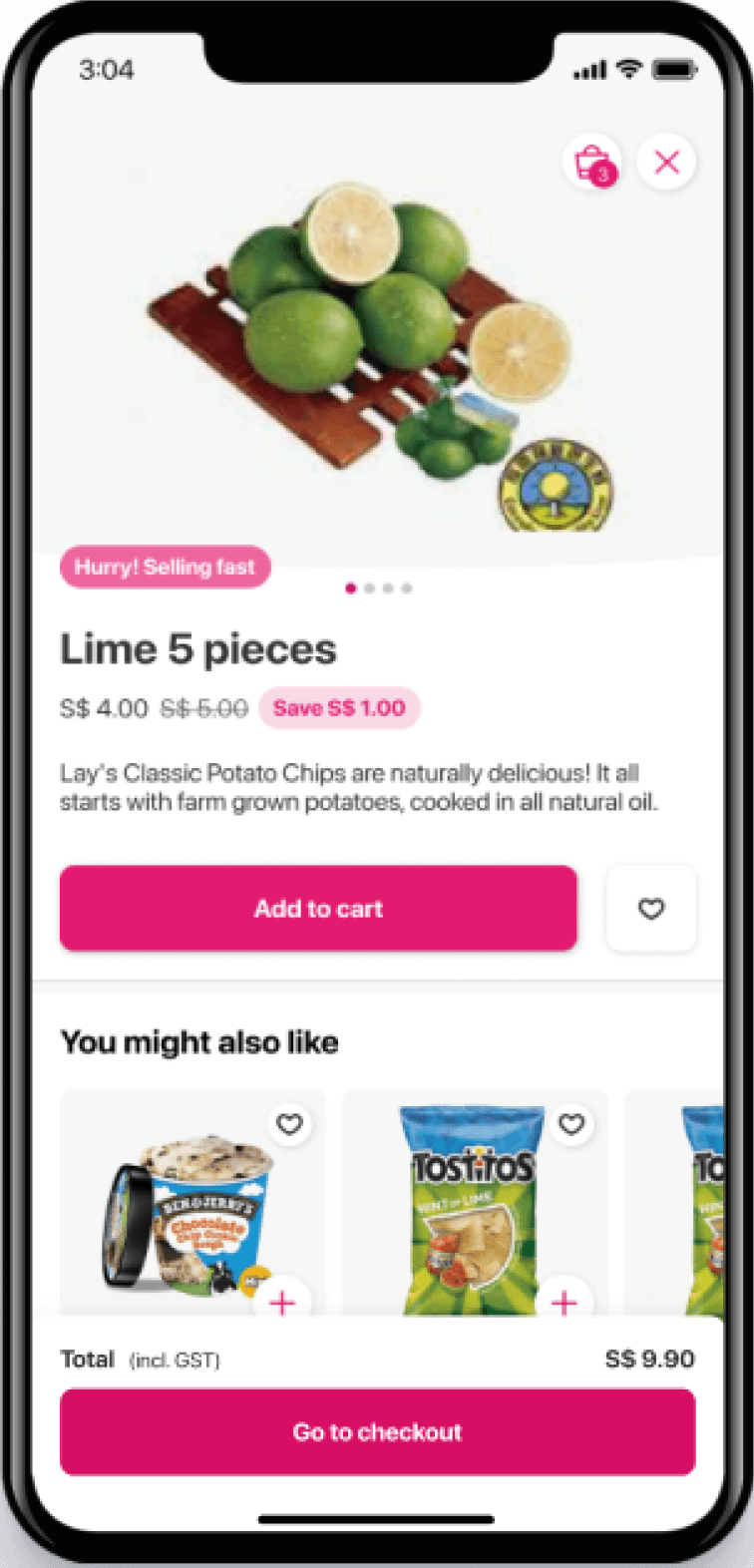
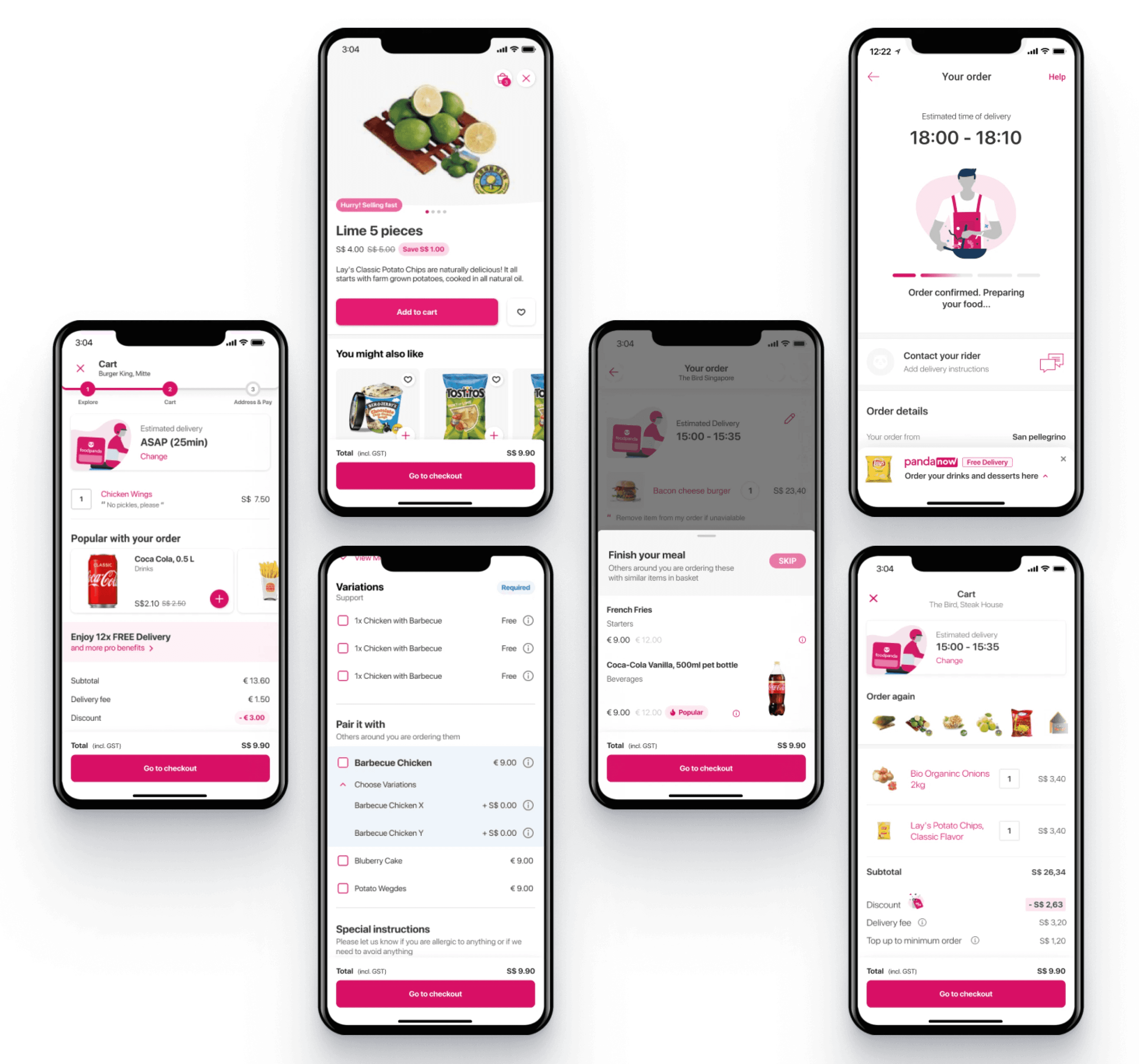
Items that do not have topping opens a half bottom sheet that shows product details. To keep the cross-selling experience consistent we introduced recommendations with only one closest matching item.
We excluded the category of the main items from the recommendation. Eg: If a user opens Coca-Cola, the recommendation shows only desserts and side dishes.
Impact of Strategy 2
A/B test
We tested each variation against its control individually in the first round of tests, and a variation against each other in different markets to gather insights about which user journey brings the most delight and value to our users.
Cycle of experimentation:
We went beyond co-occurrence and similar users' data to test with the right number of items to be shown, ranking of relevant items, how many times should we show a bottom sheet in a session, how users react to items with images and without images, discounts that may influence decisions. These experiments helped us to gather insights about user preferences in different countries.
Result
We increased the cross-sell order share, conversion and add to the cart on an avg by 40%* In a particular test it increased the cross-sell order rate by 100+%
We launched the full rollout in SG along with tests running in 10+countries in one quarter.


Backoffice
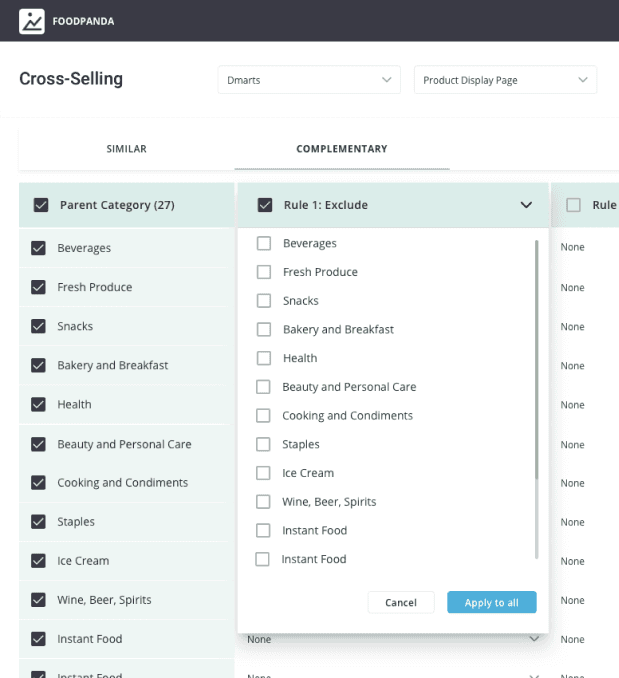
A tool to build customized market-driven strategies.
The goal of the tool was to make our internal users (Product Specialists) independently run, override X-sell recommendation algorithms according to market and user needs. The tool also enabled users to track data and learnings of each experiment. This saved time for our developers and made our internal users experiment and iterate on algorithms faster.
Designing recommendations is basically designing invisible UI
A lot of decisions and ideations that I took as a part of the team were UX and data-related. These decisions impacted the algorithm, pricing strategy, user context, etc. A lot of times when designing for recommendations the best design skill is to ask a lot of questions and apply product thinking to impact how things work, how the experience is measured, and which is the best solution to induce maximum impact.
Customer value is not a constant, but a moving target.
Assuming that every market behaves the same to cross-selling is not be the best strategy. Every market has not only behavourial differences but cultural as well.
Continually test and learn
Constantly testing new approaches on multiple platforms, and at various stages of the consumer decision journey helped us to understand which strategies work the best for which markets and drive maximum user and business value rather than assuming the best.